A Practical Guide to Murphy Beds: Types, Installations, and Care

In an era of compact living and adaptable spaces, the Murphy bed rises as a quiet exemplar of smart design. This article surveys the key variants, installation considerations, and maintenance practices that keep these space-saving wonders reliable, comfortable, and enduring. Drawing on historical context, contemporary furniture craftsmanship, and practical how-to guidance, we explore how a pull-out bed concept has evolved into a cornerstone of modern urban living.

Historical note: from wall beds to modern engineering

Murphy beds, named after William Lawrence Murphy who championed space-saving furniture in the early 20th century, emerged as a radical solution to apartment living. The original concept—an unobtrusive bed that folds into a wall cavity—spoke to a growing demand for flexible rooms. What began as a clever trick of carpentry matured into a robust category of furniture, integrating modern hardware, precision mechanisms, and durable materials. This evolution reframes the Murphy bed not as a temporary fix but as a recognized, enduring design solution for rooms that must double as living, working, or guest spaces.

Across eras, the bed’s identity has continually shifted with technology and lifestyle. In the early days, solid wood frames and manual latches defined the experience; in the late 20th and early 21st centuries, refined hardware, soft-close mechanisms, and integrated shelving began to blur the line between a bed and a smart piece of furniture. The modern Murphy bed is a synthesis: a concealed sleeping surface, a reliable support system, and a design that harmonizes with a room’s architecture rather than interrupting it.

Key variants: wall-mounted units, fold-down beds, and sofa-bed integrations

Murphy bed configurations vary in approach, each with distinct benefits and installation nuances. Understanding these variants helps homeowners select a configuration aligned with room size, ceiling height, and furniture coordination.

  • Wall-mounted or fold-down beds: The classic Murphy bed that tucks neatly into a wall cavity. This variant emphasizes a clean, minimalist facade when closed, and a comfortable mattress when opened. It typically requires a sturdy wall cavity, appropriate framing, and clearance for full vertical deployment.
  • Sofa-bed integrations: A furniture piece that combines seating with a concealed bed beneath or within. These designs optimize living rooms by providing a dual-function piece—a sofa by day, a bed by night—while maintaining a compact footprint.
  • Cabinet-style or bookcase concealment: The bed is hidden behind doors or a cabinet, offering a versatile visual that can resemble a storage piece. This approach often suits interiors seeking a more integrated, high-end look and can incorporate shelving or cabinetry for a complete room solution.

Key factors in compatibility and performance

When evaluating Murphy beds, several practical considerations determine long-term satisfaction and safety. These elements influence installation decisions, the bed’s daily use, and how quickly the system pays dividends in space savings.

  • Mattress compatibility: Murphy beds require a mattress that suits the folding action without excessive bulk. Many designs specify a mattress range (often in the 8–12 inch zone for standard models) to balance comfort with clearance. Consider the mattress’s weight, profile, and flex during folding.
  • Mechanism durability: The bed’s hardware—folding arms, pistons, sliders, and latches—determines ease of use and longevity. Quiet, robust mechanisms reduce wear and provide smoother operation over years of use.
  • Clearance space and installation constraints: A successful installation hinges on ceiling height, wall depth, and the availability of wall studs or mounting surfaces. Adequate clearance ensures full unfolding without obstruction and safe operation when the bed is closed or opened.
  • Weight load and maintenance: Murphy beds must support the mattress and a period of use. Adhering to weight guidelines and performing periodic lubrication and inspection helps maintain performance and safety.

Care, maintenance, and best practices

A Murphy bed is a precise mechanical system that rewards regular attention. Maintenance is not glamorous, but it is essential for reliability and safety. Here are foundational guidelines to extend the life of your Murphy bed:

  • Lubrication: Light lubrication on moving joints and hinges minimizes squeaks and wear. Use manufacturer-approved lubricants and avoid over-lubricating, which can attract dust or debris.
  • Weight guidelines: Adhere to recommended weight limits for the mattress and any accessories. Avoid placing heavy items on the bed when closed, which can bias the mechanism over time.
  • Cleaning routines: Dust the folds and cavities regularly. Use a soft, damp cloth to wipe surfaces, and keep the surrounding area free of clutter that could impede movement.
  • Inspection: Periodically inspect mounting brackets, screws, and wall anchors. Tighten any loose hardware and replace worn components promptly to preserve alignment and safety.

Three pivotal figures across time

Space-saving design emerges as a dialogue across eras, with thinkers and designers shaping how rooms adapt to human needs. Here are three influential individuals whose ideas echo in the Murphy bed’s ongoing narrative.

William Lawrence Murphy (late 19th – early 20th century)

Often credited with popularizing the wall bed concept in the United States, Murphy’s ideas catalyzed a practical approach to small-space living. His concept emphasized a sleeping surface that could disappear into the wall, freeing floor space during waking hours. Though the method evolved, the core principle—maximizing utility without sacrificing comfort—remains central to modern space-saving design.

Erik Magnussen (mid-20th century design innovator)

A representative of mid-century European and American design, Magnussen championed modular, multi-functional furniture. His work exemplified how form can follow function, balancing aesthetic restraint with mechanical ingenuity. Though not solely tied to Murphy beds, Magnussen’s ethos of adaptable furniture informs contemporary approaches to hidden-storage systems and convertible sleep solutions.

Jane Jacobs (1916–2006, urbanist and thinker)

Jacobs championed dense, human-centered cities where flexible, mixed-use spaces empower daily life. Her urban philosophy—prioritizing livability, walkability, and the creative reuse of spaces—underscores the modern appeal of Murphy beds as one facet of adaptable urban interiors. Her ideas resonate when designing rooms that gracefully serve as bedrooms, studios, and guest spaces within compact footprints.

Representative product highlight: Larssen Bed by Vermont Furniture Designs

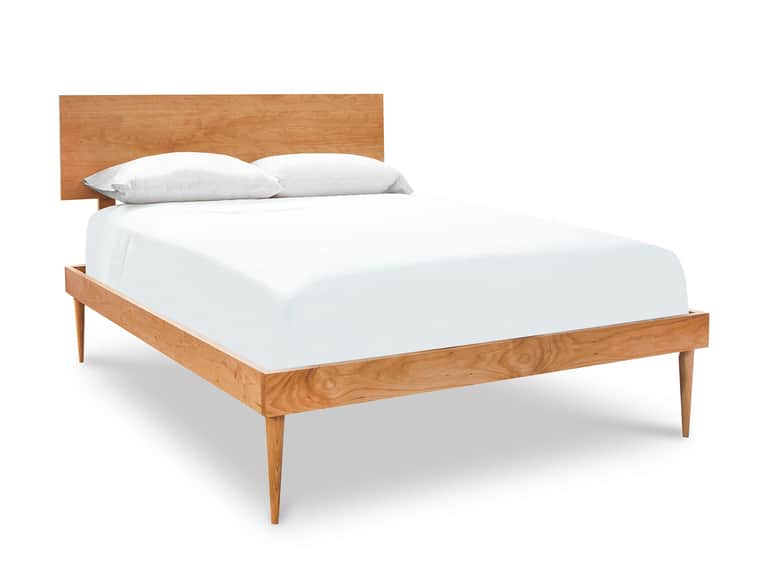
Larssen Bed

Solid hardwood construction with a one-piece headboard; handcrafted in Vermont.

The Larssen Bed embodies the longevity and restrained elegance that complement Murphying a room into a living space that remains warm and welcoming. Its solid wood frame and timeless profile make it a durable centerpiece for a bedroom designed for both daily use and spontaneous guest accommodations. The natural finish options and tapered legs provide a versatile canvas for a range of decor styles, from Scandinavian minimalism to rustic modernism.

Price: $2,635.00

Product images available on request

Variants and finishes: Natural hardwoods with slender, grounded silhouette; coordinates with a wide range of mattress styles and bedding.

Note: This is a representative item from a broader collection of durable, American-made beds that emphasize craftsmanship and timeless design.

Glossary of terms for space-saving beds

A concise reference for readers new to the vocabulary of convertible and space-saving furniture.

  • Murphy bed: A bed that folds into a wall or cabinet, concealing the sleeping surface when not in use.
  • Wall bed: Another term for Murphy bed, highlighting its primary mechanism and placement.
  • Sofa bed: A sofa that converts into a bed, typically with a folding or pulling-out mechanism.
  • Cabinet concealment: A bed hidden behind doors or within a cabinet unit, blending with cabinetry.
  • Clearance: The space required to fully deploy the bed without obstruction; a key planning metric in installation.
This article draws on the broader themes of space-saving furniture and the evolution of convertible beds, presented in a style inspired by Time magazine’s editorial approach. For readers exploring small-space living, practical knowledge—paired with reliable product references—helps transform a compact room into a flexible, livable environment.

Related Products

Larssen Bed

Vermont Furniture Designs

Larssen Bed

Handcrafted in Vermont from solid natural hardwood, the Larssen Bed brings timeless mid-century style with clean lines and durable, precise joints for a serene, effortless bedroom feel. Enjoy sturdy support and a sleek, timeless silhouette.
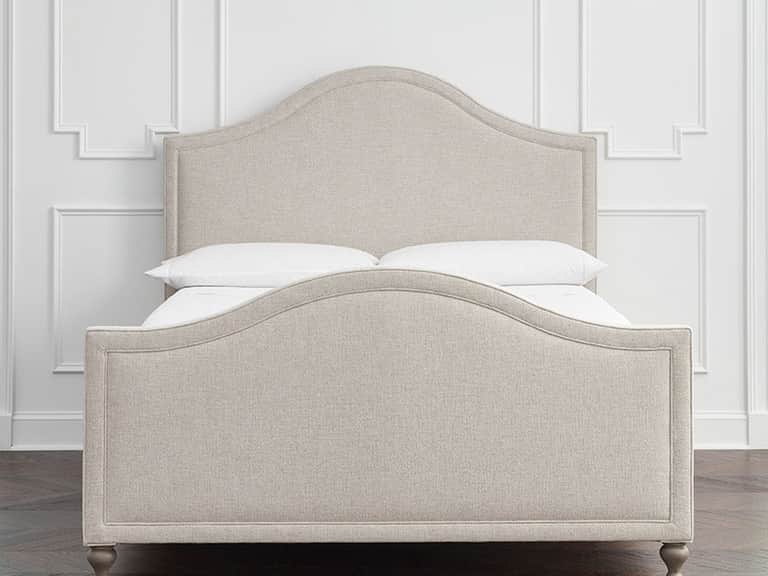
Charlotte Upholstered Bed with Footboard

Sferra

Charlotte Upholstered Bed with Footboard

Made to order in the USA, this solid Maplewood framed bed feels premium and crafted to last, with a comfortable padded surface and durable PU upholstery that wipes clean—perfect for low-maintenance luxury in any bedroom.
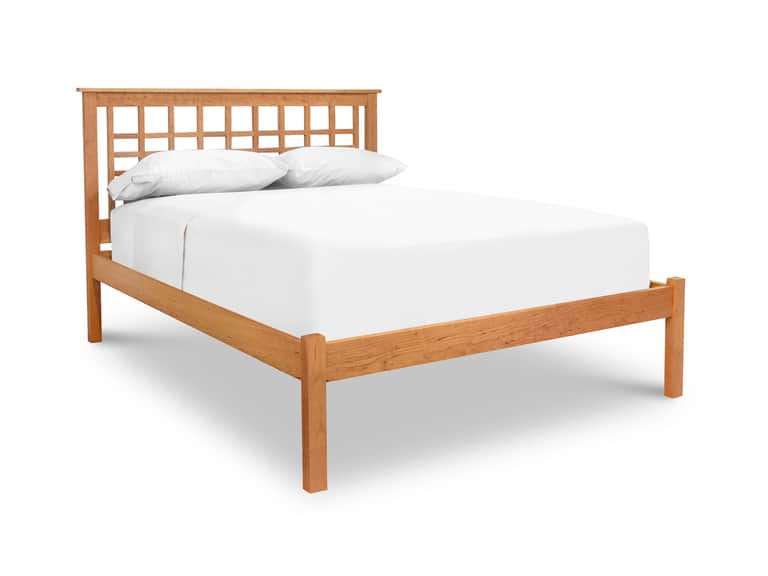
Modern Craftsman Low Footboard Bed

Vermont Furniture Designs

Modern Craftsman Low Footboard Bed

Handcrafted to order in Vermont, this solid hardwood bed (Cherry, Maple, or Walnut) shines with an eco-friendly oil finish, offering timeless beauty, lasting durability, and a refined centerpiece that ages gracefully with your room.

Theme